Wednesday, November 4, 2026Memphis · 68°/53°, TennesseeEst. 2026
Markets · loading
Law & Courts
Law
Fox News election-day coverage
UPDATEFull Ninth Circuit, 6-5, lets DOJ resume ballot-sequestration requests to states
Eleven-judge en banc court reinstates a panel order staying a California federal judge's restraining order, one day before Election Day
SAN FRANCISCO — The Ninth Circuit, sitting en banc, voted 6-5 on Tuesday to reinstate a Nov. 2 panel order in Service Employees International Union v. Department of Justice (No. 26-7303). The order stays a temporary restraining order issued in the Northern District of California. It had barred the Justice Department and Homeland Security from asking California and Washington officials to sequester ballots from suspected noncitizens, and from threatening prosecution over counting them. It was the appeals court's third ruling in about 12 hours. The panel said the plaintiffs' Voting Rights Act theory would require an implied private claim against the Executive. It also said the requests are core executive functions that do not override state election rules. Chief Judge Murguia and Judge Desai dissented, and Judge Miller concurred. The order does not compel any state to segregate ballots. The case returns to the district court and the Ninth Circuit on the merits.
Why it mattersThe ruling clarifies that federal officials may ask states to set ballots aside and warn of prosecution, even though the Supreme Court a day earlier refused to force California to segregate its ballots.
SCOTUSblog: Court to hear argument in Catholic preschools case
Justices appear split along ideological lines over Catholic preschools and Colorado
In St. Mary Catholic Parish v. Roy, Roberts is seen as the pivotal vote on a challenge to the state's universal preschool rules
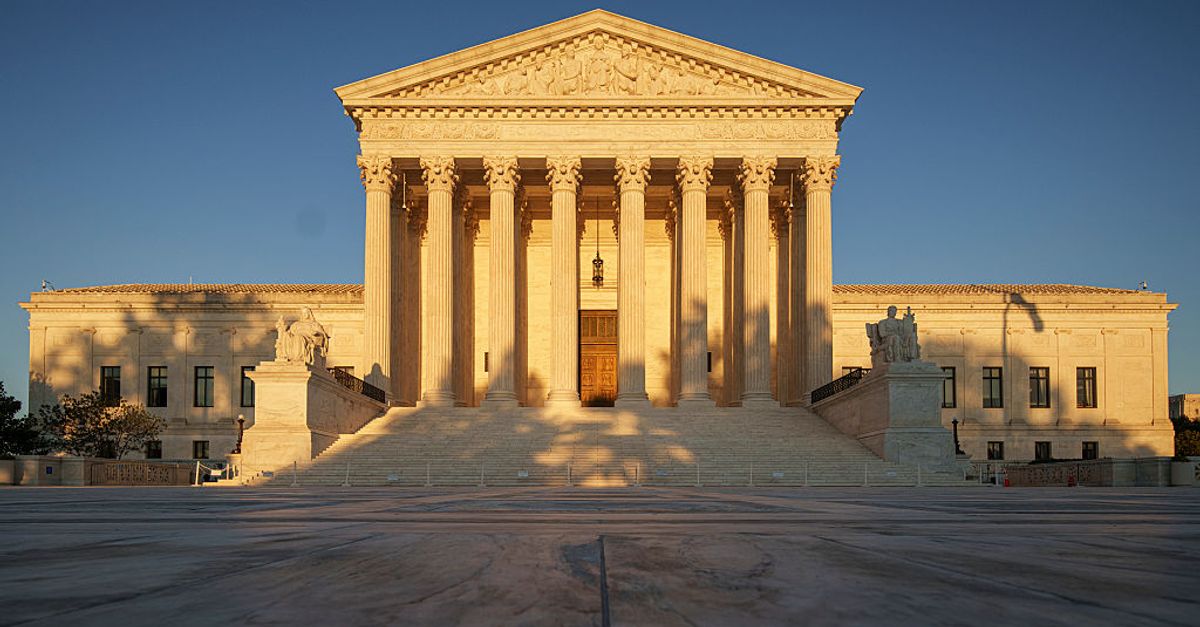
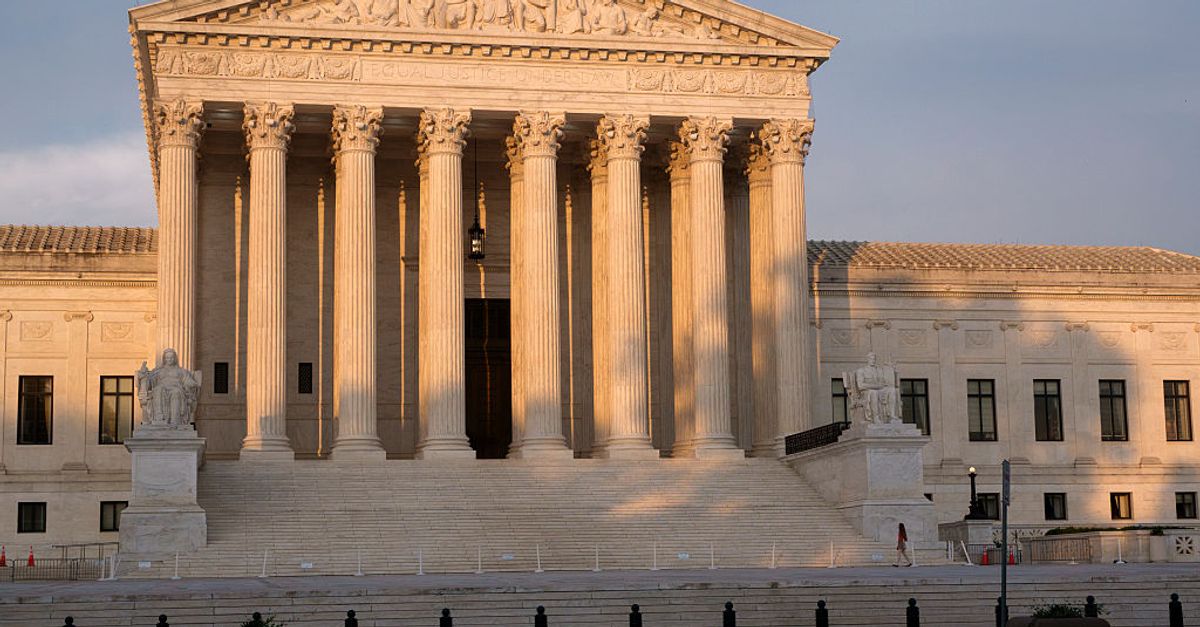
WASHINGTON — The Supreme Court heard argument Tuesday in St. Mary Catholic Parish v. Roy (No. 25-581). The Archdiocese of Denver and two parishes say Colorado's universal preschool program violates the First Amendment. They object to a condition that participating schools admit all families, including LGBTQ families, with no religious exemption. The Tenth Circuit sided with the state. It held the rule neutral and generally applicable under Employment Division v. Smith. Fox News reported that the conservative justices pressed Colorado on the free-exercise claim. Justice Kavanaugh questioned why the dispute could not be resolved with an accommodation. Justice Kagan said the real question is whether the state must treat religious schools better. Chief Justice Roberts noted that earlier cases involved laws that discriminated against religious schools on their face. The case also asks whether the Court should narrow Smith. A ruling is expected by next spring or summer.
Why it mattersThe outcome could narrow or reshape the Smith rule on neutral, generally applicable laws and set limits on conditions attached to public benefits.
Judge Boasberg denies Democrats' bid to bar DOJ threats to election officials
D.C. federal court rules on standing, citing no evidence any state yielded to the Justice Department's letters
WASHINGTON — U.S. District Judge James Boasberg in Washington rejected a request from a coalition of Democratic Party groups, party leaders and a voter. They had asked the court to bar the Trump administration from threatening state election officials over alleged noncitizens on voter rolls. MS NOW reported that the ruling rests on standing, not on the legality of the Justice Department's conduct. Boasberg wrote that the case might look different had officials capitulated. At this stage, he wrote, the plaintiffs had shown no evidence that any state removed a voter or segregated a ballot because of the government's letters. The same outlet reported that a federal judge in Alaska dismissed a separate DOJ suit seeking to possibly delay certification of the Senate race there. A coalition has also asked a court to block DOJ demands to segregate ballots in Washington state. The outlet's account of the D.C. ruling was not independently verified.
Why it mattersThe standing-based ruling leaves open whether federal pressure on state election officials is lawful, as the Ninth Circuit separately lets such requests continue.
Supreme Court adds six-person jury and religious zoning cases for January
The justices schedule two new arguments as the November sitting continues, with Guerrero v. Johnson set for Friday
WASHINGTON — The Supreme Court has agreed to hear arguments in January on two new questions: the constitutionality of six-person juries and a religious zoning dispute. SCOTUSblog reported the scheduling on Nov. 2. Further details of the cases were not available in that report. The court's November sitting continues this week. Guerrero v. Johnson is set for argument Friday, Nov. 6. The sitting has also included St. Mary Catholic Parish v. Roy, argued Tuesday, and criminal-law cases that SCOTUSblog is previewing. Any decisions in the January cases would most likely come before the term ends next summer. Checking the docket for case names and the exact argument dates is advisable before relying on them.
Why it mattersThe six-person jury question could affect how states staff criminal and civil trials, including in Tennessee, where jury size is set by statute and rule.