Memphis WeatherOvercast. High 75°, low 52°.
Chance of rain 0%.

Dalton Daily

Sourced widely. Told plainly.
Vol. I · No. 9Morning edition
daltondaily.com
Markets · loading

Law & Courts

Law

Supreme Court refuses to let Bureau of Prisons enforce transgender care limits
SCOTUSblog: Justices leave lower court order in place on transgender inmate policy

Supreme Court refuses to let Bureau of Prisons enforce transgender care limits

Unsigned order in Trump v. Kingdom leaves a Washington judge's injunction in place; Thomas and Alito would have sided with the government

WASHINGTON — The U.S. Supreme Court on Wednesday, Oct. 21, denied the Trump administration's emergency request in Trump v. Kingdom (No. 26A416). That leaves in place an order by U.S. District Judge Royce Lamberth in Washington, D.C. The order blocks the Federal Bureau of Prisons from enforcing a policy adopted in February. The policy would end hormone therapy and social accommodations such as wigs and makeup for transgender inmates. The unsigned order gave no reasons. Justices Clarence Thomas and Samuel Alito said they would have granted the stay. The D.C. Circuit had earlier declined, by a divided panel, to pause Lamberth's ruling. Solicitor General D. John Sauer argued that the district court substituted its own policy judgment for the agency's. The inmates' lawyers countered that the Bureau gave no reasoned explanation. The Bureau told the court about 600 inmates were on hormone therapy in 2025. The litigation now continues in the lower courts.

Why it mattersThe order shows the Court is not granting every emergency request from the administration, and it keeps a major prison-health policy on hold while litigation continues.
Shelby County chancellor again halts state takeover of Memphis-Shelby County Schools
Tennessee Firefly: Local Judge Puts MSCS State Oversight on Hold Again

Shelby County chancellor again halts state takeover of Memphis-Shelby County Schools

Chancery ruling returns control to the elected board days after a federal judge cleared the state oversight board

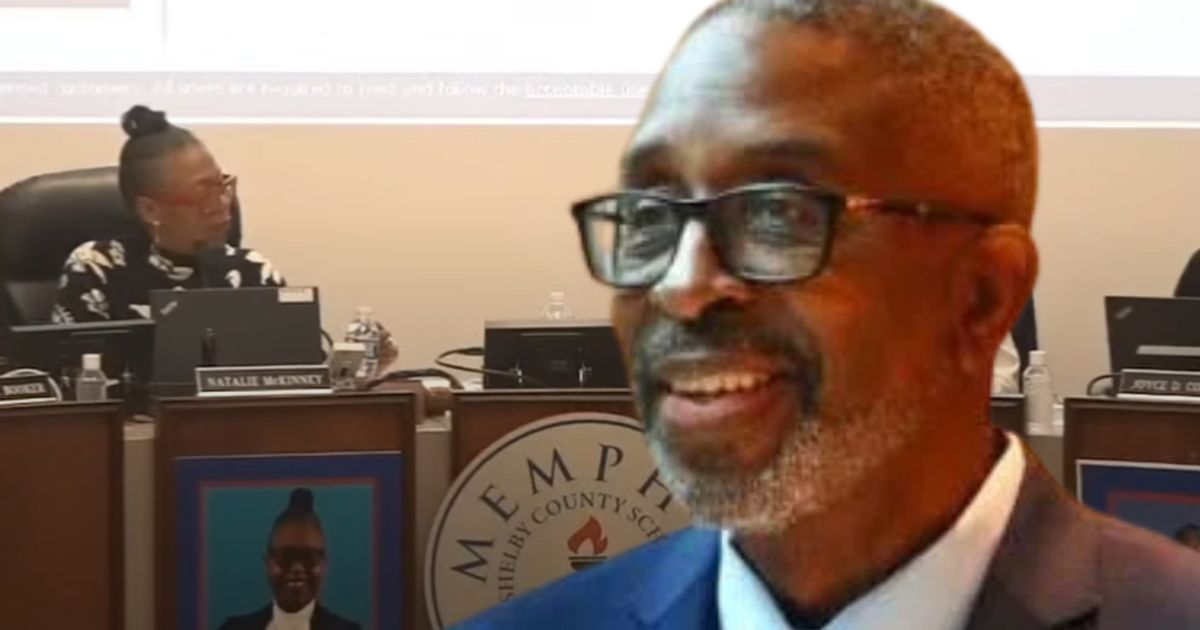
MEMPHIS — Shelby County Chancellor JoeDae Jenkins on Monday, Oct. 19, temporarily stopped the state's intervention in Memphis-Shelby County Schools. The ruling came shortly before the state-appointed oversight board was due to meet. It returned control to the elected school board. Four days earlier, on Oct. 15, U.S. District Judge Waverly Crenshaw Jr. lifted the federal block he had imposed in late June. That block had delayed the takeover for more than three months. The district and Shelby County filed the Chancery case on Oct. 7. They have since dropped state constitutional claims from it. The case now focuses on whether the state had enough evidence to place the district under the intervention law. The federal suit, which includes constitutional challenges, continues separately. Neither case has decided whether the oversight board will ultimately take charge.

Why it mattersCompeting federal and state court orders leave unsettled who governs the state's largest school district, with budget, contract and superintendent decisions at stake.

Three-judge Nashville panel dismisses challenge to Tennessee school voucher program
Chattanooga Times Free Press: Tennessee judicial panel dismisses private-school voucher lawsuit

Three-judge Nashville panel dismisses challenge to Tennessee school voucher program

Chancery court majority in Young v. Lee finds the state constitution does not bar funding private schooling; appeal possible

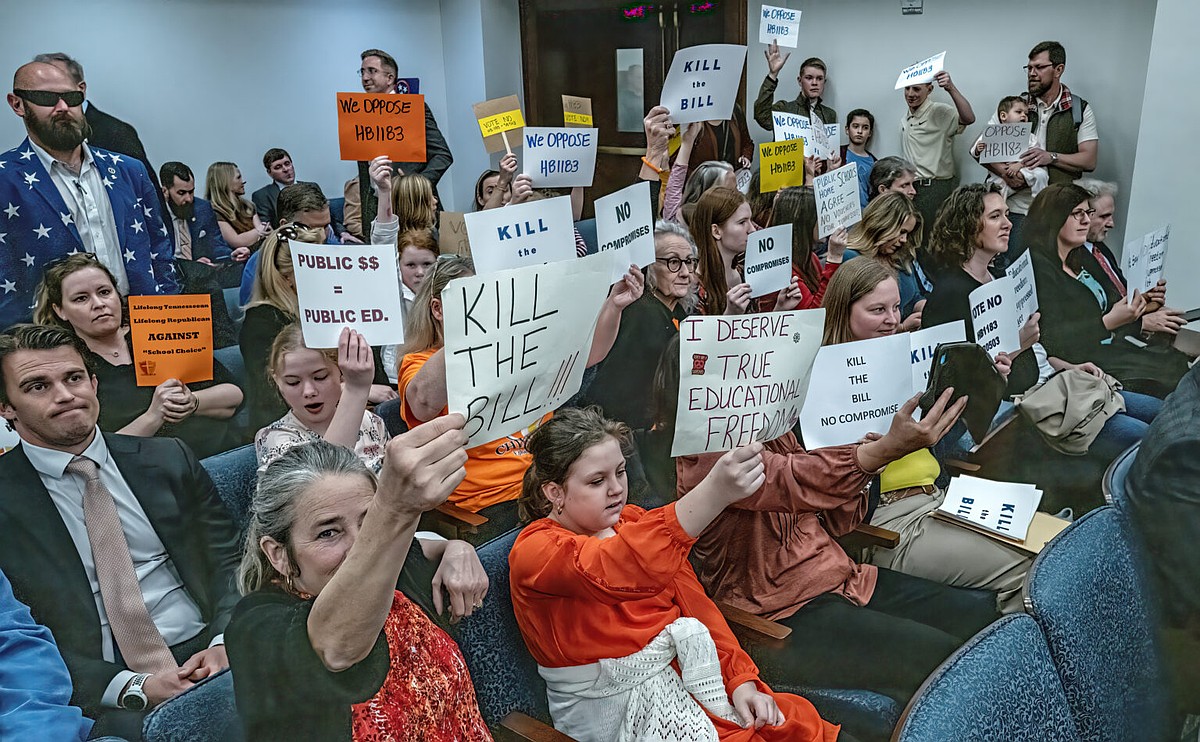
NASHVILLE — A three-judge chancery panel in Nashville has dismissed Young et al. v. Lee, a suit by parents and taxpayers against Gov. Bill Lee and state officials over the Education Freedom Scholarship program. The vote was 2-1. The panel is Chancellors John Rambo and Anne Martin and Judge Joseph Howell. The majority held that the state constitution requires a public school system but does not prohibit funding private education. It also held that a claim of inadequate public-school funding must target the funding statutes, such as TISA, not the voucher law. Claims against Lee were dismissed largely because he does not enforce the act. One judge dissented on the public-school funding claim. The program is described as a $260 million effort covering about 35,000 students this year. The ruling also acknowledged shortcomings in the state's school-funding formula. Plaintiffs could appeal.

Why it mattersThe decision lets Tennessee's expanding universal voucher program continue and sets up a possible appeal on how the state constitution's education clause applies.

Justices weigh scope of video-privacy law in Sixth Circuit tracking-pixel case
No Labels: What the Supreme Court Heard in October 2026

Justices weigh scope of video-privacy law in Sixth Circuit tracking-pixel case

Salazar v. Paramount Global was argued this month; observers say the Court seemed inclined toward the subscriber

WASHINGTON — The Supreme Court heard Salazar v. Paramount Global in its October sitting. The case comes from the Sixth Circuit. A 247Sports newsletter subscriber says Paramount used Meta's tracking pixel to send his Facebook ID and viewing history to Facebook without consent. The question is whether the 1988 Video Privacy Protection Act covers subscribers to any product from a video provider, or only video customers. A summary of the arguments by the nonpartisan group No Labels said the justices appeared likely to side with Salazar. Justice Brett Kavanaugh asked whether that would trigger a wave of suits against streaming businesses, while others noted companies can obtain consent. A ruling for Salazar would not by itself make Paramount liable. A decision is expected by the end of June 2027.

Why it mattersThe outcome could widen class-action exposure for publishers and advertisers that use tracking tools, a concern for any business that runs online lead generation.