Memphis WeatherOvercast. High 77°, low 51°.
Chance of rain 0%.

Dalton Daily

Sourced widely. Told plainly.
Vol. I · No. 8Morning edition
daltondaily.com
Markets · loading

Law & Courts

Law

Supreme Court takes up school-admissions bias case and home-distilling ban
SCOTUSblog: Justices grant two significant cases

Supreme Court takes up school-admissions bias case and home-distilling ban

Justices add two major cases to the 2026-27 term, with arguments expected early next year

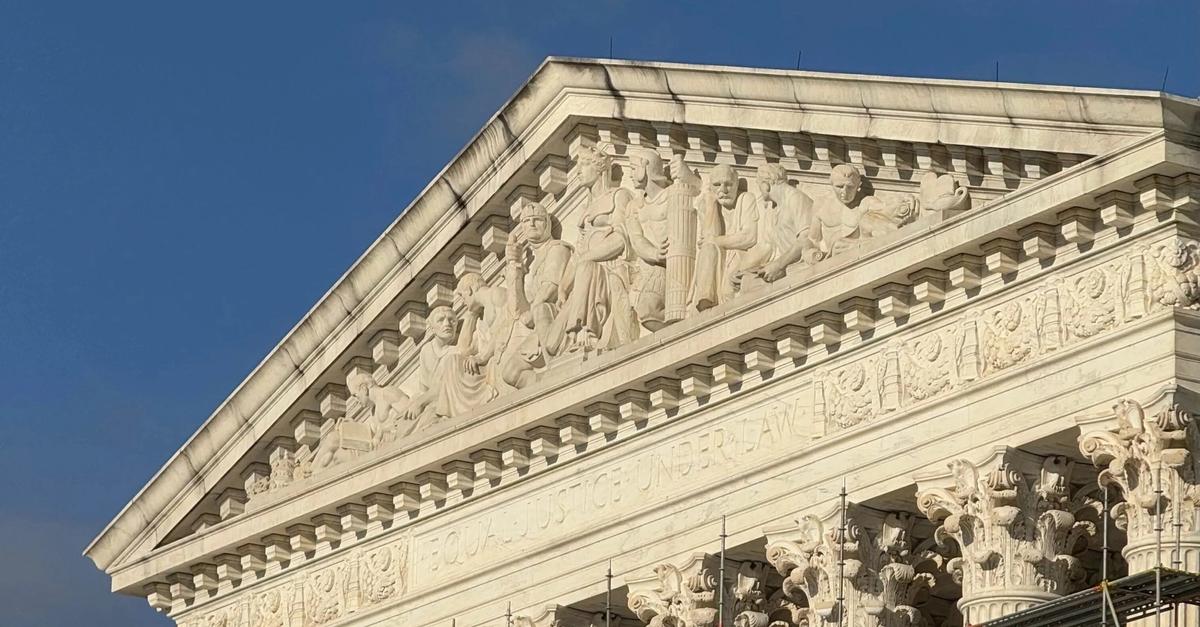
WASHINGTON — The U.S. Supreme Court on Oct. 19 agreed to hear Association for Education Fairness v. Montgomery County Board of Education. The case asks whether challengers to a facially neutral admissions policy must show that the targeted racial group suffered an aggregate disparate impact relative to its share of the applicant pool. The dispute involves magnet programs in a Maryland school district. Challengers allege the revised admissions rules disadvantaged top-scoring Asian American applicants. The district disputes that characterization. The court also granted Department of Justice v. McNutt, on whether the federal ban on distilling spirits at home is a valid use of Congress's taxing-related powers. The Fifth Circuit struck the ban down in April. The Sixth Circuit upheld it in Ream v. Department of the Treasury, and the justices are holding that case. Both cases will likely be argued in early 2027, with decisions expected by late June or July. The court denied review in several other high-profile matters, including the 9/11 plea disputes.

Why it mattersThe admissions case could reset how plaintiffs prove race discrimination against neutral policies, and the distilling case tests the limits of Congress's tax-enforcement powers.

Pike's lethal-injection suit moves ahead in Nashville as lawyers seek more time
WZTV/Fox 17: Pike lethal injection protocol lawsuit reopened

Pike's lethal-injection suit moves ahead in Nashville as lawyers seek more time

Chancery court has revived the challenge and ordered evidence preserved; the state Supreme Court controls any new execution date

NASHVILLE — Litigation over Tennessee's failed Sept. 30 execution of Christa Pike is proceeding in Davidson County Chancery Court. Chancellor I'Ashea Myles on Oct. 8 reopened Pike's January lawsuit challenging the state's lethal-injection protocol. An earlier transfer of the suit to the Tennessee Supreme Court had been dismissed on procedural grounds, and the merits were never decided. Myles had already ordered the state to preserve evidence from the attempt, including logs, medical waste and officials' messages. Pike's lawyers have now asked for four months, rather than 30 days, to prepare their case, saying they need time to learn the extent of her injuries. The state agreed only to a 30-day extension. A hearing had been set for Oct. 23. Gov. Bill Lee halted executions through year's end and ordered an independent review. A state lawyer told the court that any new execution date is for the Tennessee Supreme Court to decide.

Why it mattersThe case will test how Tennessee courts handle a failed lethal injection and whether the state can try again.

Federal judges keep trimming do-not-call suits over cellphones and business lines
Wikipedia

Federal judges keep trimming do-not-call suits over cellphones and business lines

Recent district rulings question whether mobile numbers count as 'residential' under the TCPA

MEMPHIS — Federal trial courts are narrowing do-not-call claims under the Telephone Consumer Protection Act on a separate ground from the dispute over whether texts are 'calls.' On Sept. 11, Judge Aileen Cannon of the U.S. District Court for the Southern District of Florida denied default judgment in Anthony. She held that cellphone users are not 'residential telephone subscribers' who can sue under the do-not-call provisions. On Sept. 30, the Eastern District of Missouri reached a similar result in Koeller v. OX AppSec Security. On Oct. 2, the Eastern District of Michigan dismissed Dobronski v. Tony Packo's Toledo because the plaintiff's number was a business line when he registered it. A Middle District of Florida ruling, as summarized by TCPAWorld, found no private right of action for national do-not-call registry claims. These are district-level decisions and do not bind other courts.

Why it mattersLead-generation and telemarketing firms face less exposure in some courts, but outcomes vary by district.

Judge denies Sevier County man's bid for grand jury application records
Wikipedia

Judge denies Sevier County man's bid for grand jury application records

Specially appointed judge calls the open-records request overbroad and shielded by state law

SEVIERVILLE — A specially appointed judge in the Sevier County Circuit Court on Thursday rejected Erik Cooper's open-records request for grand jury applications and related documents. Cooper filed the request in 2023. Judge Kelly Thomas ruled that it was overly broad and sought records exempt from the Tennessee Public Records Act. He said disclosure could expose the names of citizen prosecutors and witnesses and the identities of alleged criminal actors. That could happen even where no indictment followed. Thomas was assigned the case in 2024 after Circuit Judge Rex Henry Ogle retired. Ogle had earlier ruled the district attorney's application process illegal. Thomas wrote that an unlawfully created or used document does not have to be disclosed if state law otherwise exempts it. He also held that Cooper's demand for 10 years of records was too broad. Cooper said he would not accept the ruling as the final word.

Why it mattersThe ruling reinforces Tennessee's strong confidentiality shield for grand jury records, even where the underlying practice was found unlawful.