Memphis WeatherOvercast. High 80°, low 54°.
Chance of rain 0%.

Dalton Daily

Sourced widely. Told plainly.
Vol. I · No. 13Morning edition
daltondaily.com
Markets · loading

Law & Courts

Law

Eighth Circuit strikes Fed's 21-cent debit swipe-fee cap
ABA Banking Journal

Eighth Circuit strikes Fed's 21-cent debit swipe-fee cap

Unanimous panel in Corner Post v. Federal Reserve says the Durbin Amendment limits regulators to per-transaction costs

The U.S. Court of Appeals for the Eighth Circuit ruled unanimously on Oct. 26 in Corner Post, Inc. v. Board of Governors of the Federal Reserve System. It affirmed a North Dakota federal judgment vacating Regulation II's debit interchange cap. The rule allows banks with more than $10 billion in assets to charge 21 cents per transaction, plus 0.05 percent of the purchase and a one-cent fraud-prevention adjustment. Judge David Stras, writing for the panel, read the Durbin Amendment's "incremental cost" language as marginal cost. On that reading the Fed improperly counted fixed costs that are not specific to a transaction. The court sent the rule back to the Fed and set no replacement cap. The decision is not yet effective: the mandate must issue, and rehearing or Supreme Court review is possible. A parallel challenge, Linney's Pizza v. Board of Governors, is pending in the Sixth Circuit after the Fed won in the Eastern District of Kentucky. A conflict between the circuits could send the question to the Supreme Court.

Why it mattersThe ruling could reset what merchants pay on debit swipes and what banks recover, and it applies the post-Loper Bright rule that courts, not agencies, resolve statutory ambiguity.
Justices to hear Catholic preschools' challenge to Colorado rules Tuesday
SCOTUSblog

Justices to hear Catholic preschools' challenge to Colorado rules Tuesday

St. Mary Catholic Parish v. Roy tests the reach of Carson v. Makin and Employment Division v. Smith

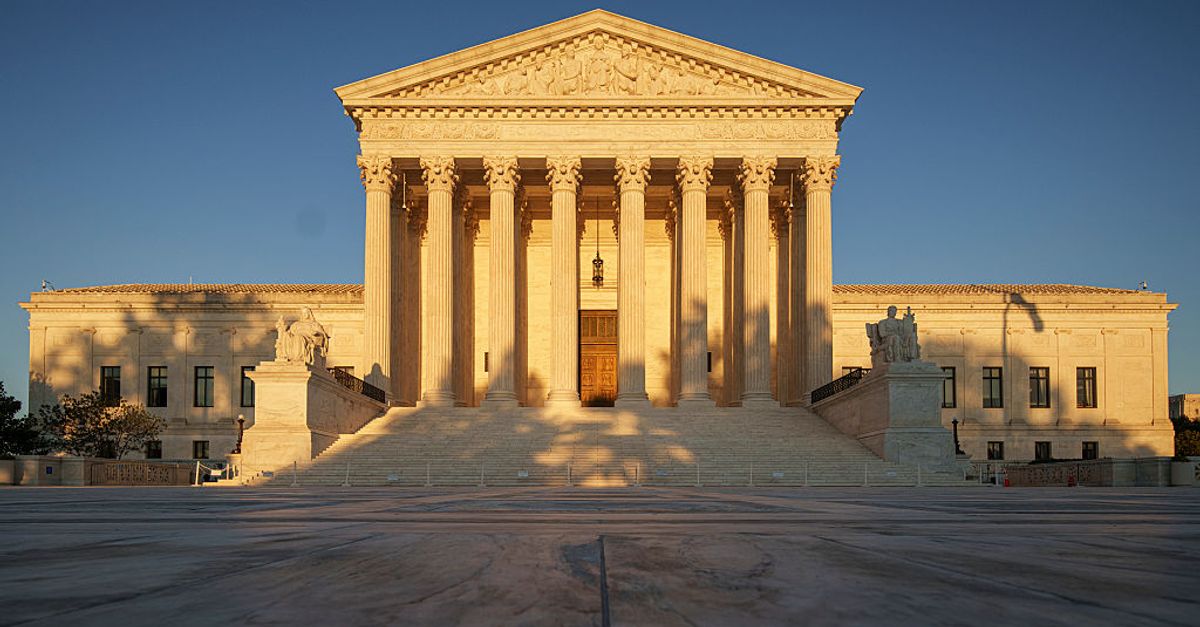
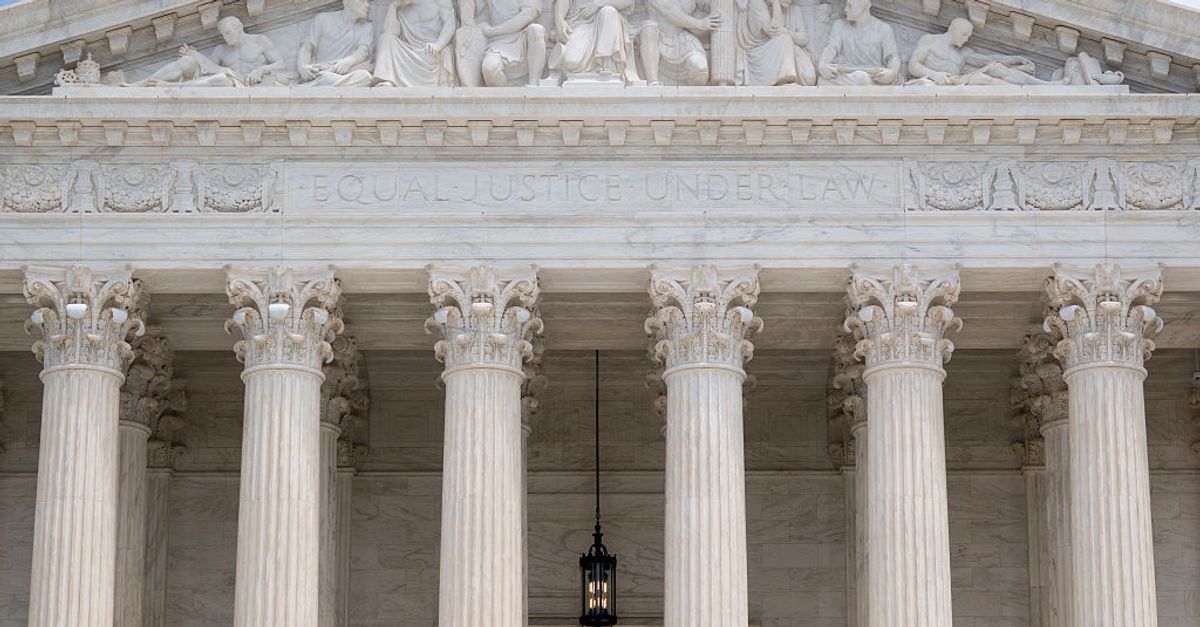
WASHINGTON — The U.S. Supreme Court hears argument Tuesday, Nov. 3, in St. Mary Catholic Parish v. Roy (No. 25-581). The petitioners are the Archdiocese of Denver, two parishes with preschools and two parents. They say Colorado's universal preschool program violates the First Amendment by excluding them. The program requires participating schools to accept LGBTQ children and children of LGBTQ parents, and Colorado would not grant an exemption. The Tenth Circuit ruled for the state, finding the condition neutral and generally applicable. The justices agreed in April to review two questions. The first is how far Carson v. Makin (2022) goes when a state conditions public funds on nondiscrimination terms. The second is what a challenger must show to prove a law is not generally applicable under Smith. The preschools point to Colorado's preferences for low-income and disabled children as secular exceptions. Colorado says the program's rules are equal-access rules that apply to every provider. A decision is expected by the end of the term next summer.

Why it mattersThe outcome could set how far states may attach nondiscrimination conditions to vouchers and other public funding that religious schools receive.

SCOTUSblog trade · Chalkbeat trade · Human Rights Campaign research
Supreme Court leaves transgender prison-care injunction in place
SCOTUSblog

Supreme Court leaves transgender prison-care injunction in place

Thomas and Alito would have granted the administration's stay request in Kingdom v. Trump

WASHINGTON — On Oct. 21 the U.S. Supreme Court denied an emergency application from the Trump administration in Kingdom v. Trump. The unsigned order leaves in place a June 17, 2026 preliminary injunction from U.S. District Judge Royce Lamberth in Washington. The injunction bars the Bureau of Prisons from enforcing a policy that would end hormone therapy and social accommodations for transgender inmates. The D.C. Circuit had already refused to pause it. Justices Clarence Thomas and Samuel Alito would have granted the stay. The order gave no reasons. Solicitor General D. John Sauer had argued that the district court substituted its own policy judgment for the agency's. The ACLU, which represents a certified class, says roughly 1,000 people with a gender dysphoria diagnosis are covered. The case now returns to the D.C. Circuit for the government's appeal on the merits.

Why it mattersThe order is a rare emergency-docket loss for the administration and keeps a federal prison health policy frozen while the appeal proceeds.

SCOTUSblog trade · NBC News · ACLU research
Tennessee panel upholds school voucher program; plaintiffs may appeal
Fox Chattanooga

Tennessee panel upholds school voucher program; plaintiffs may appeal

Divided three-judge Nashville court says the state constitution does not bar funding private schooling

NASHVILLE — A three-judge panel in Nashville dismissed a state constitutional challenge to Tennessee's Education Freedom Scholarship program on Oct. 21, so the program stays in place. Parents and taxpayers sued Gov. Bill Lee and the state. They argued that the Education Clause requires a single public school system and bars public money for private education. By a 2-1 vote, the panel held that the clause requires the state to support public schools but does not make that funding exclusive. The majority also said a challenge to public-school funding must target the statutes that fund those schools, not the scholarship program. One judge agreed on the private-funding claim but would have let the public-school funding claim go forward. The order does not say whether the plaintiffs will appeal, which would take the case to the Tennessee appellate courts. House Speaker Cameron Sexton has since praised the ruling. He says more than 35,000 students are now on the scholarships.

Why it mattersThe ruling clears a major legal obstacle to the state's expanded voucher program and shapes how Tennessee courts read the Education Clause.