Memphis WeatherOvercast. High 81°, low 51°.
Chance of rain 0%.

Dalton Daily

Sourced widely. Told plainly.
Vol. I · No. 12Morning edition
daltondaily.com
Markets · loading

Law & Courts

Law

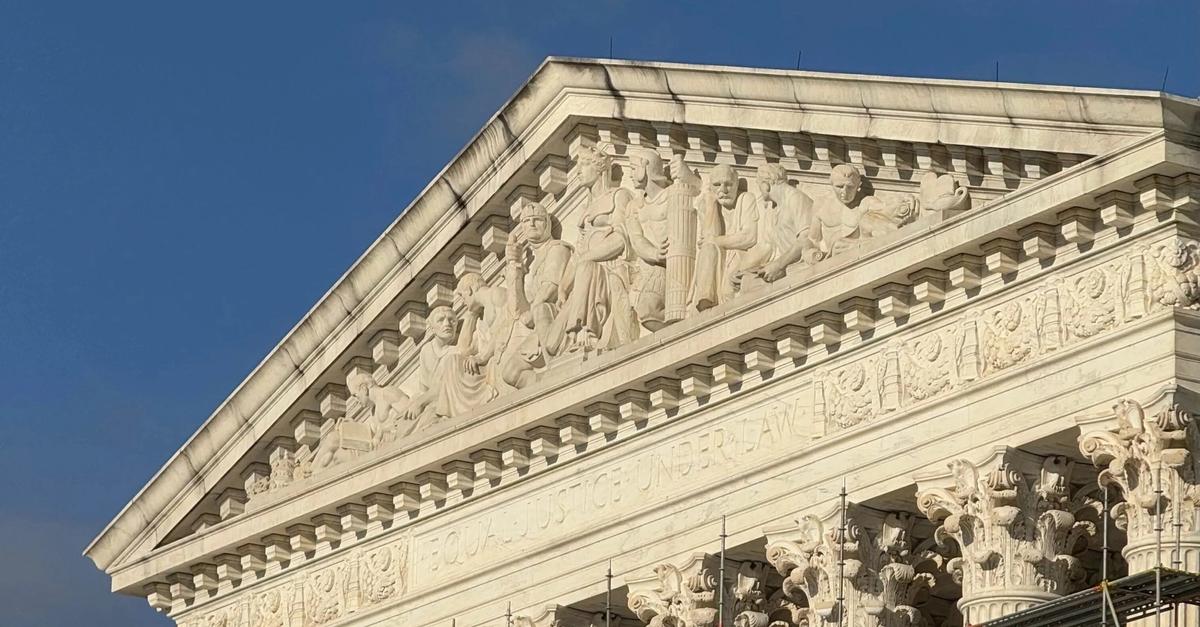
Justices weigh Big Bend border wall bid as responses come due
SCOTUSblog: The interim docket remains active

Justices weigh Big Bend border wall bid as responses come due

Solicitor General asks the Supreme Court to lift a Texas judge's injunction and to rule on the merits without full briefing

WASHINGTON — The Trump administration's emergency application to resume border wall construction in Texas's Big Bend region is ripe for decision. Responses from the challengers were due at 4 p.m. EDT today. On Oct. 21 Solicitor General D. John Sauer asked the Supreme Court to lift a preliminary injunction issued Oct. 2 by U.S. District Judge Kathleen Cardone in El Paso. She found that waivers of environmental and historic-preservation laws signed by Homeland Security secretaries likely exceeded their authority under the 1996 immigration statute. The plaintiffs include the Center for Biological Diversity, a river guide and a preservation group. Sauer also wants the justices to reverse the injunction outright, without further briefing or argument. The government says the project covers about a quarter of the southern border. Opponents say the area accounts for roughly 1 percent of migrant arrests. The court has not yet acted.

Why it mattersThe case tests how far a statute letting the Homeland Security secretary waive legal requirements can reach, and it may be decided on the emergency docket.

Fifth Circuit committee to question Dallas judge Ada Brown Friday
Bloomberg Law: Texas Judge's Racial Comments to Lawyer Sparked Investigation

Fifth Circuit committee to question Dallas judge Ada Brown Friday

Misconduct and disability inquiry deepens after sealed attorney-discipline papers were emailed to about 140 people

DALLAS — A special committee of the Judicial Council for the Fifth Circuit has ordered U.S. District Judge Ada E. Brown of the Northern District of Texas to appear in person Friday, Oct. 30, for an investigative interview. The council reassigned her cases on Sept. 29 and barred new assignments for three months. Its order cited a backlog of 78 undecided motions and more than 40 recusals since June. A committee also found a reasonable basis to believe she has a mental condition, though no diagnosis has been publicly confirmed. On Oct. 17 Brown told the committee she would not participate. She sent confidential complaint materials, plus sealed papers from two unrelated lawyer-discipline cases, to about 140 judges, lawyers and journalists. She had until Oct. 27 to answer written questions. Bloomberg Law reports the inquiry began with a lawyer's complaint over racial comments made at a hearing. The committee will report to the full council, which can dismiss the complaint, reprimand her or refer the matter onward.

Why it mattersThe case tests how federal courts police judicial conduct and disability, and it involves sealed attorney-discipline records.

Federal courts split further on whether TCPA do-not-call rules cover texts
GMLaw TCPA Defense & Compliance (Greenspoon Marder alerts)

Federal courts split further on whether TCPA do-not-call rules cover texts

Eastern District of Pennsylvania lets text and caller-ID claims proceed, against a Seventh Circuit ruling from July

On Oct. 21 the U.S. District Court for the Eastern District of Pennsylvania denied a motion for judgment on the pleadings in Dovberg v. Haller Enterprises, Inc., No. 5:26-cv-4286. It held that a text message is a telephone call under the TCPA's do-not-call private right of action, Section 227(c)(5). It also held that a personal cellphone can qualify as a residential line. Acknowledging a split among courts, it ruled that caller-ID violations under FCC rules can be enforced through that provision. The plaintiff says he got two unsolicited referral texts. The court has not decided whether the TCPA was actually violated. The Seventh Circuit reached the opposite result on texts on July 14, 2026, holding they fall outside Section 227(c)(5). The conflict leaves lead-generation and marketing firms facing different exposure depending on the forum.

Why it mattersWhere a suit is filed may decide whether text-message marketing carries do-not-call liability, which matters directly to lead-generation businesses.

Federal jury awards $40 million in Bard implanted port catheter bellwether
Wikipedia

Federal jury awards $40 million in Bard implanted port catheter bellwether

First plaintiff win in the Arizona MDL after a mixed first trial

PHOENIX — A nine-person federal jury in the District of Arizona returned a unanimous $40 million compensatory verdict for plaintiff Kimberly Divelbliss in MDL No. 3081, the Bard implanted port catheter litigation before Judge David G. Campbell. Plaintiff's counsel says her PowerPort catheter fractured two years after implantation and a fragment lodged in her heart. She then needed removal surgery, and counsel says she suffered arrhythmias and heart attacks. The jury found for her on strict liability and negligent design defect and on failure-to-warn claims. It rejected fraudulent concealment and awarded no punitive damages. This was the second bellwether trial. The first ended in a partial defense verdict and a partial hung jury. Counsel says more bellwether trials are set for Dec. 1 and Feb. 2, 2027. The account comes from plaintiff's counsel, and Bard's response was not reported.

Why it mattersA large bellwether result shapes settlement leverage across the consolidated product-liability docket and signals how juries view device-warning claims.