Memphis WeatherClear. High 69°, low 42°.
Chance of rain 0%.

Dalton Daily

Sourced widely. Told plainly.
Vol. I · No. 1Morning edition
daltondaily.com
Markets · loading

Law & Courts

Law

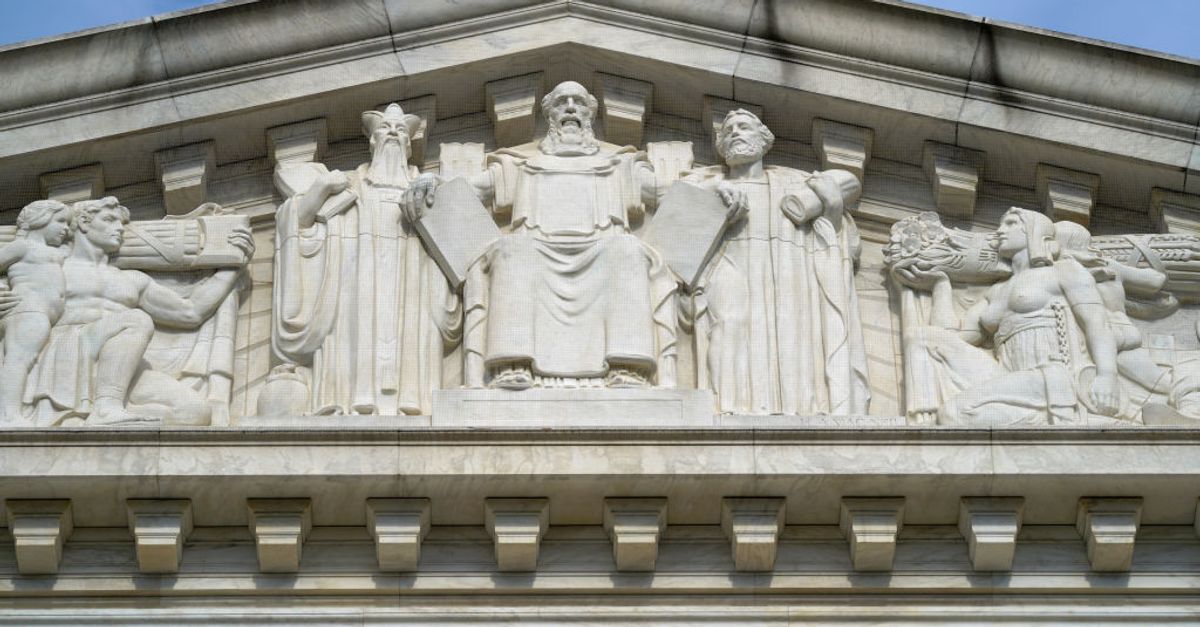
Justices weigh Paramount video-privacy case from Nashville federal court
SCOTUSblog: Court appears likely to allow internet suit based on decades-old video privacy law

Justices weigh Paramount video-privacy case from Nashville federal court

Salazar v. Paramount Global tests whether a 1988 law covers Facebook pixel tracking on websites

WASHINGTON — The Supreme Court heard argument Wednesday in Salazar v. Paramount Global (No. 25-459). Michael Salazar says Paramount's 247Sports.com site used a Facebook pixel to send his video-viewing history to Facebook without consent, violating the Video Privacy Protection Act. The Middle District of Tennessee in Nashville dismissed the class action, and the Sixth Circuit affirmed. Both courts held that a subscription to an email newsletter did not make him a "consumer" under the statute. The law allows $2,500 in damages per violation. Reports on the argument differ. SCOTUSblog and Bloomberg Law said the justices seemed inclined to side with Salazar, with Justices Kagan and Kavanaugh noting that companies can simply obtain consent. The Daily Record described the bench as skeptical of his reading. Justice Barrett also raised standing. A decision is expected by the end of the term.

Why it mattersThe ruling will determine how widely the VPPA can be used in class actions over website tracking, a significant exposure for any business that runs video content and ad pixels.

Supreme Court halts 48-hour deadline imposed on FCC in ad-rate dispute
Wikipedia

Supreme Court halts 48-hour deadline imposed on FCC in ad-rate dispute

Per curiam order in FCC v. Brown says Fourth Circuit intruded on agency's control of its own process

WASHINGTON — On October 14 the Supreme Court issued an unsigned per curiam order in FCC v. Brown (No. 26A476) staying a Fourth Circuit mandamus order. The appeals court had required the Federal Communications Commission to resolve an application for review within 48 hours. The justices said that order improperly interfered with the Commission's discretion over the timing and procedures of its deliberations. The dispute concerns discounted broadcast ad rates for political parties and party committees. Democratic candidates had asked the justices to leave the appeals court ruling in place, according to SCOTUSblog. Another report on the order said Justices Sotomayor and Jackson would have denied the stay, but that account was not independently confirmed from the Court's own materials. The merits appeal continues in the lower courts.

Why it mattersThe order reinforces limits on courts setting deadlines for federal agencies, and it arrives weeks before the midterm elections.

Federal judge clears state takeover of Memphis-Shelby County Schools
Wikipedia

UPDATEFederal judge clears state takeover of Memphis-Shelby County Schools

Judge Waverly Crenshaw dissolves his June block as the underlying lawsuit continues

MEMPHIS — U.S. District Judge Waverly Crenshaw Jr. on Thursday, October 15, dissolved the temporary restraint he issued in late June against Tennessee's takeover of Memphis-Shelby County Schools. He acted days after the nine-member state Educational Oversight Board told the court it was ready to perform its duties. Under the Public School Accountability Act, the board can override major district decisions, including adopting budgets, closing schools and appointing a superintendent. The elected district board would serve in an advisory role. Board chair Billy Orgel said the body is ready to begin work. District board chair Tamarques Porter said he disagrees with the ruling and that the legal process continues. The case challenging the takeover remains pending, and no further hearings have been scheduled. Both sides will need to present evidence as it proceeds.

Why it mattersA federal court has, for now, handed control of Shelby County's largest public institution to a state-appointed board, with the merits still undecided.

Courts keep narrowing TCPA do-not-call suits over text messages
Wikipedia

Courts keep narrowing TCPA do-not-call suits over text messages

Seventh Circuit ruling in Steidinger spreads through district courts, but Section 227(b) claims survive

Federal courts are increasingly holding that the Telephone Consumer Protection Act's do-not-call private right of action does not reach text messages. The Seventh Circuit led in Steidinger v. Blackstone Medical Services (July 14, 2026), finding that a "telephone call" in Section 227(c)(5) did not include texts in 1991. District courts in the Fourth Circuit and in Colorado, along with other courts, have followed. On September 11, Judge Aileen Cannon of the Southern District of Florida ruled that cell phone users are not "residential" subscribers for do-not-call claims. Texts remain actionable under the Section 227(b) autodialer and prerecorded-voice provisions. On October 1, the Southern District of Texas, in Taylor v. OffersPDQ, granted a default judgment on a 227(b) text claim but not on a 227(c) claim. California federal courts are cited as holdouts. Separately, the FCC has pushed the effective date of its revoke-all consent rule to January 31, 2027.

Why it mattersFor lead-generation and marketing firms, exposure to text-message class actions now depends on which statutory provision is invoked and which circuit the suit is filed in.