Memphis WeatherRain. High 66°, low 61°.
Chance of rain 98%.

Dalton Daily

Sourced widely. Told plainly.
Vol. I · No. 15Morning edition
daltondaily.com
Markets · loading

Law & Courts

Law

Federal judge keeps NAACP's Clean Air suit against Musk's xAI alive
DeSoto County News: Judge Denies xAI Bid to Toss Southaven Turbines Lawsuit

Federal judge keeps NAACP's Clean Air suit against Musk's xAI alive

Northern District of Mississippi rejects the company's second attempt to end the Southaven turbine case in two weeks

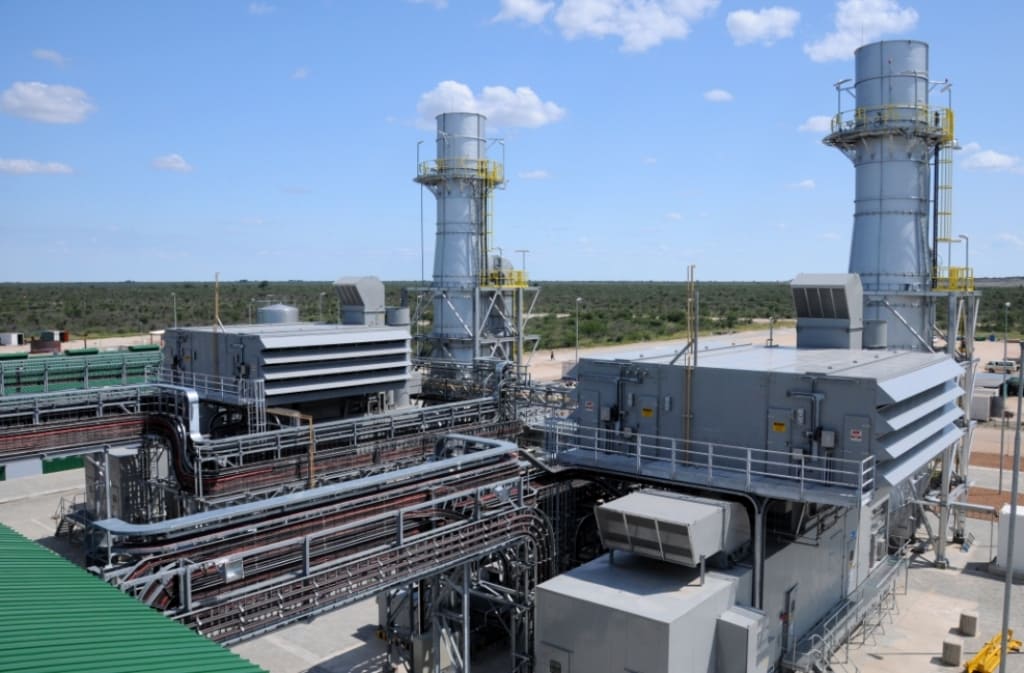
SOUTHAVEN, Miss. — U.S. District Judge Debra M. Brown, sitting in the Northern District of Mississippi, denied a motion by X.AI Corp. and its subsidiary MZX Tech to dismiss the NAACP's Clean Air Act suit. The suit concerns the gas-turbine plant in Southaven that powers xAI's Colossus 2 data center across the state line in Memphis. In an order dated Oct. 30, Brown rejected three defense arguments. She found the plaintiffs have statutory standing, that the turbines are not exempt 'mobile sources' under Mississippi's state implementation plan, and that the Act's citizen-suit provision does not violate Article II. On Oct. 19 she had also refused a Justice Department request to dismiss the case, though she let the government intervene. The ruling does not decide whether any violation occurred. The NAACP's separate request for a preliminary injunction is still pending. The plaintiffs seek civil penalties of up to $124,426 per day for each violation.

Why it mattersThe ruling tests whether temporary gas generators at AI data centers can avoid air permits, and whether private plaintiffs can keep such cases going even when federal officials want them ended.

Judge opens ethics inquiry into DOJ lawyers in Trump golf course case
OPB: Judge orders an inquiry into potential DOJ misconduct in Trump's golf course case

Judge opens ethics inquiry into DOJ lawyers in Trump golf course case

Judge Ana Reyes plans a special master to probe whether government attorneys misled the D.C. federal court

WASHINGTON — U.S. District Judge Ana Reyes announced a formal inquiry Friday into whether Justice Department and Interior officials misrepresented the administration's plans for East Potomac Golf Links in Washington. She opened the hearing by reading D.C. Bar Rule 3.3 on candor to the court. She then questioned Associate Attorney General Stanley Woodward Jr. Government lawyers had said for months that no closure plan was final. They acknowledged this week that the course is slated to close Nov. 15 under a renovation plan sent to the National Capital Planning Commission. Reyes said a special master with full investigatory powers may lead the probe, and if the government objects she will conduct it herself. She ordered officials to preserve documents. She stressed that no misconduct has been found. The government has appealed her earlier order halting tree-clearing. The suit was brought by the DC Preservation League and two golfers.

Why it mattersA federal judge is examining the candor of senior Justice Department lawyers, which could lead to sanctions, contempt proceedings or referrals.

Tennessee Supreme Court declines to loosen bar on nonlawyer law-firm ownership
Law.com: Tennessee Supreme Court Rejects PE Law Firm Ownership

Tennessee Supreme Court declines to loosen bar on nonlawyer law-firm ownership

Justices leave rules against nonlawyers practicing law or running a 'law business' unchanged

NASHVILLE — The Tennessee Supreme Court announced it will not change its regulations that bar nonlawyers from engaging in the practice of law or the 'law business' in the state. The decision came after the court weighed possible updates to its attorney-licensing rules. Law.com reported the outcome on Oct. 20 under a headline describing it as a rejection of private-equity ownership of law firms. A senior executive at the Attorneys' Liability Assurance Society, a lawyer-focused malpractice insurer, called the order a positive development from the insurer's perspective. Other states have considered or adopted looser ownership structures, and Tennessee's order keeps the traditional lawyer-only model in place for now. Lawyers in the state should expect no change to rules governing who may own or share in fees from a law practice.

Why it mattersThe order shapes who can own and finance Tennessee law practices, a question that affects firm structure, fee-sharing and the business of legal services.

Section 122 tariff refund fight still waits on Federal Circuit merits ruling
Wikipedia

Section 122 tariff refund fight still waits on Federal Circuit merits ruling

Stay keeps a trade-court loss for the administration on hold as importers weigh recovery options

WASHINGTON — A law-firm alert from Troutman Pepper Locke describes where tariff recovery stands. The Supreme Court held the IEEPA tariffs unlawful in Learning Resources, Inc. v. Trump. The Court of International Trade ruled in May that the 10 percent global tariff under Section 122 of the Trade Act of 1974 exceeded presidential authority, but it limited relief to three plaintiffs, including Washington state. The Federal Circuit has stayed that judgment while it hears the appeal. In June the appeals court said the government was likely to win on the merits. It also found that refunds with interest would cure any harm from payments made in the meantime. Section 122 allows tariffs of up to 15 percent for no more than 150 days. A separate challenge to Section 301 forced-labor tariffs was argued Sept. 30. Supplemental briefs were due Oct. 16.

Why it mattersImporters cannot yet count on refunds of Section 122 duties, and the Federal Circuit's reading of 'balance-of-payments' will define how far presidents can use the statute.