Wednesday, October 21, 2026Memphis · 78°/49°, TennesseeEst. 2026
Markets · loading
Ideas
Religion & Philosophy
Courthouse News Service
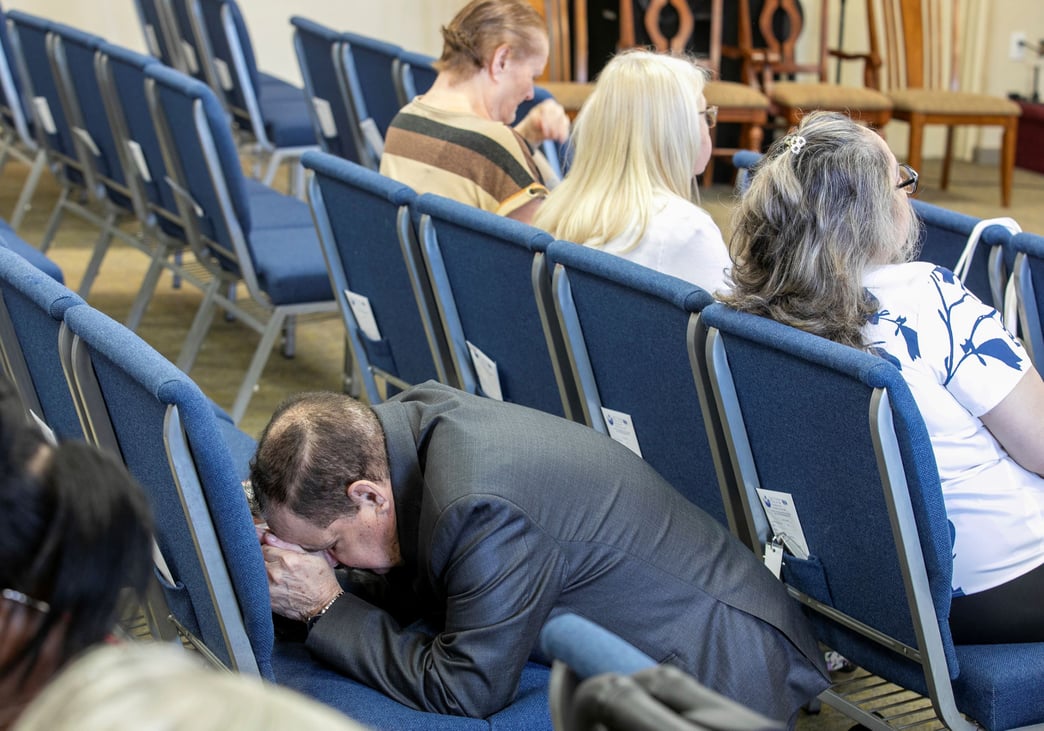
Appeals court revives faith groups' suit over ICE arrests at houses of worship
Split D.C. Circuit panel says Christian and Jewish plaintiffs face a credible threat under the 2025 enforcement change
WASHINGTON — A divided panel of the U.S. Court of Appeals for the D.C. Circuit ruled 2-1 on Tuesday that a coalition of 27 Christian and Jewish organizations may press its challenge to the Trump administration's rescission of the "sensitive locations" policy. That policy had limited immigration enforcement at churches and synagogues. The district court had denied relief, finding the harm too speculative. Judge Florence Pan, joined by Judge Robert Wilkins, held that the groups face a credible threat of enforcement and that the harm traces directly to the policy change. The panel sent the case back to Judge Dabney Friedrich to reconsider a preliminary injunction. Judge Neomi Rao dissented, calling the claimed harms conjecture. The Episcopal Church, one of the plaintiffs, welcomed the ruling. The Justice Department had argued that plaintiffs must show a specific house of worship was about to be targeted.
Why it mattersThe ruling tests how far religious-freedom law limits immigration enforcement near places of worship, and it adds to conflicting lower-court outcomes that could reach the Supreme Court.
Church of England's £100m slavery fund faces High Court challenge bid
A rector and a churchwarden say the Church Commissioners' endowment cannot lawfully finance Project Spire
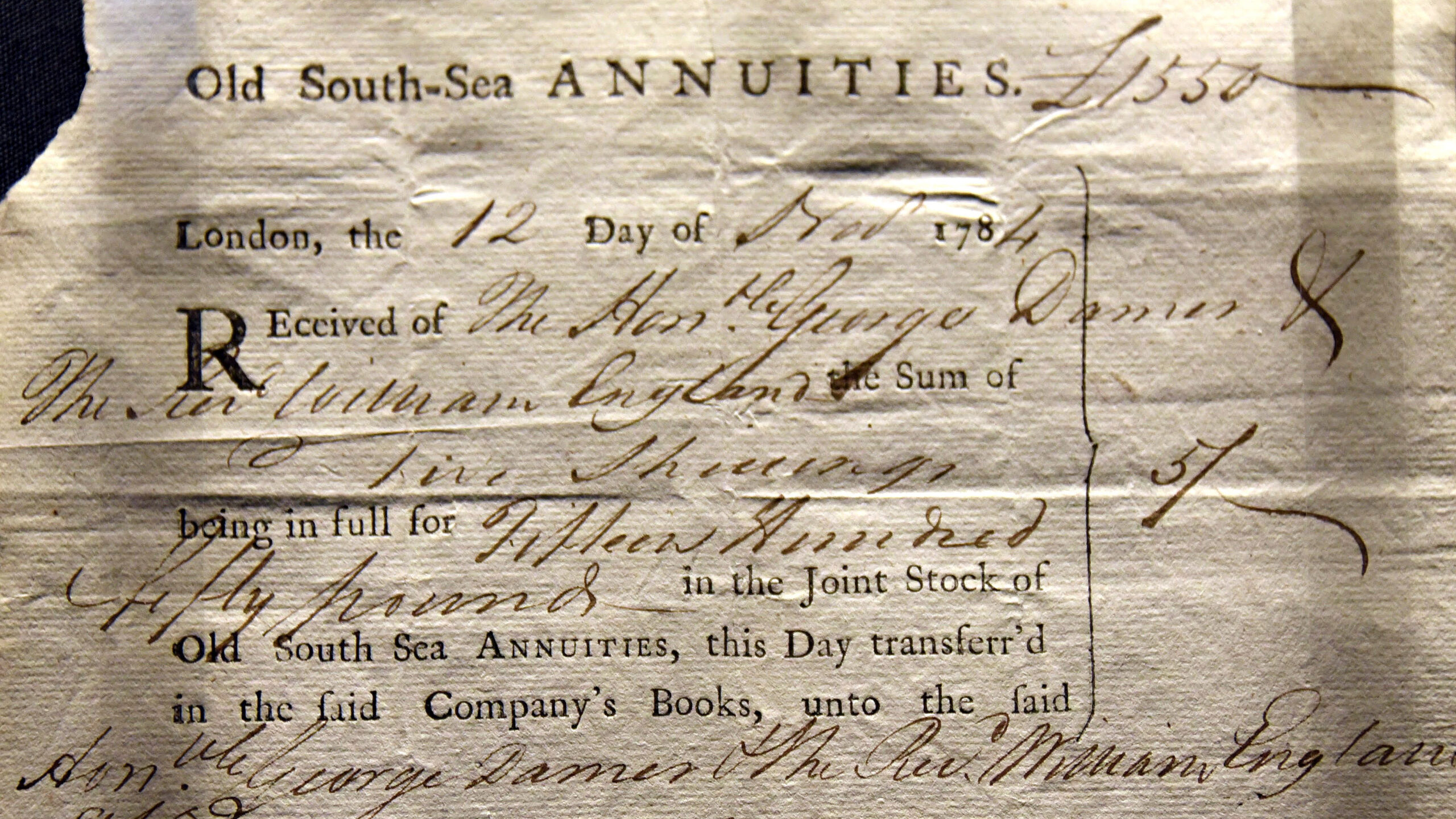
LONDON — A parish priest and a churchwarden have asked the Charity Commission for permission to take the Church of England's Project Spire to the High Court. Project Spire is a planned £100 million fund addressing the church's historic links to the slave trade. The Rev Jamie Franklin and Bijan Omrani, who announced the move on October 13, say the Church Commissioners' endowment must go to clergy and parish ministry. The Commissioners say their predecessor body, Queen Anne's Bounty, had slavery links that create a moral obligation. They are relying on a provision of the Charities Act 2011 that permits payments made for moral reasons. They also say no parish income would be used. Historians dispute how much slavery-linked money was involved. A Charity Commission decision on the permission request is expected soon. Archbishop Sarah Mullally has defended the plan.
Why it mattersThe case would be the first test of the Charity Commission's power to approve moral-obligation payments from a church endowment, and it feeds a wider dispute over the church's priorities and finances.
Edinburgh University decides today whether to keep IHRA antisemitism definition
Jewish groups and academics are split over a definition adopted in 2020
EDINBURGH — The University of Edinburgh's Senate was due to meet today to decide whether to keep the International Holocaust Remembrance Alliance definition of antisemitism, which the university adopted in 2020. Academics have urged the university not to be bound by a single definition. They say it restricts academic freedom and focuses too heavily on Israel. The Jewish Council of Scotland wants it retained and says academic freedom and protection from antisemitism must go together. The dispute dates to an independent review of the university's colonial-era links, which recommended dropping the definition. The university's own webpage says it continues to apply the definition. It also says it must balance that with academic freedom and freedom of expression. The result of today's Senate meeting had not been reported at the time of writing.
Why it mattersUniversities across Britain face the same argument over how to define antisemitism while protecting campus debate about Israel and Palestine.