Memphis WeatherOvercast. High 79°, low 54°.
Chance of rain 1%.

Dalton Daily

Sourced widely. Told plainly.
Vol. I · No. 11Morning edition
daltondaily.com
Markets · loading

Law & Courts

Law

Appeals court declines to block California count of ballots flagged as noncitizen
NBC News

Appeals court declines to block California count of ballots flagged as noncitizen

Panel says the Justice Department skipped a fair chance to be heard by the trial judge first

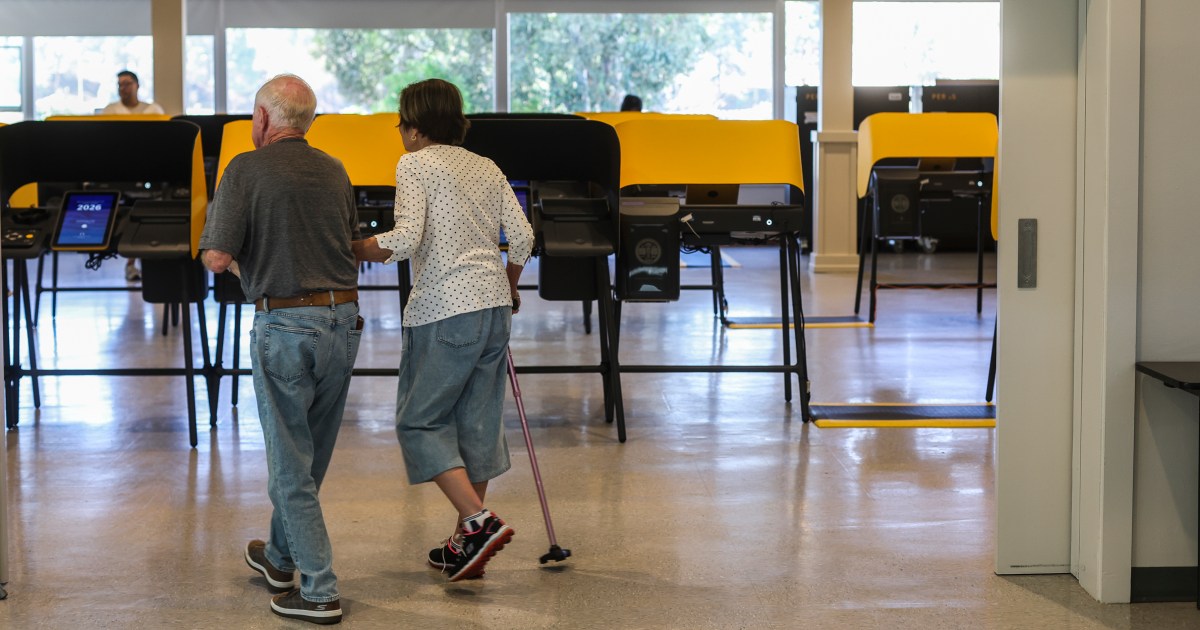
WASHINGTON — A federal appeals court on Monday rejected a Trump administration request to stop California from counting mail ballots cast by people on a federal list of more than 20,000 registered voters. The Justice Department alleges those voters are likely noncitizens. The majority held that the department had not given the district judge an adequate opportunity to consider the dispute. It said it would be premature for the appellate court to step in. Circuit Judge Gabriel Sanchez, in a concurrence, said the government was asking a federal court to dictate to a state legislature on a matter within the state's traditional authority. The suit was the first time the administration tried to keep a state from counting votes. The filing did not say how many people on the list actually returned ballots. The trial judge was due to hold a hearing Tuesday.

Why it mattersThe case tests how far federal prosecutors can reach into state ballot counting weeks before a midterm election.

NBC News
Supreme Court won't revive rule letting immigration judges pause deportation cases
Spectrum News (Oct. 27, 2026)

Supreme Court won't revive rule letting immigration judges pause deportation cases

Unsigned order with no noted dissents leaves a Texas–Justice Department consent judgment in force

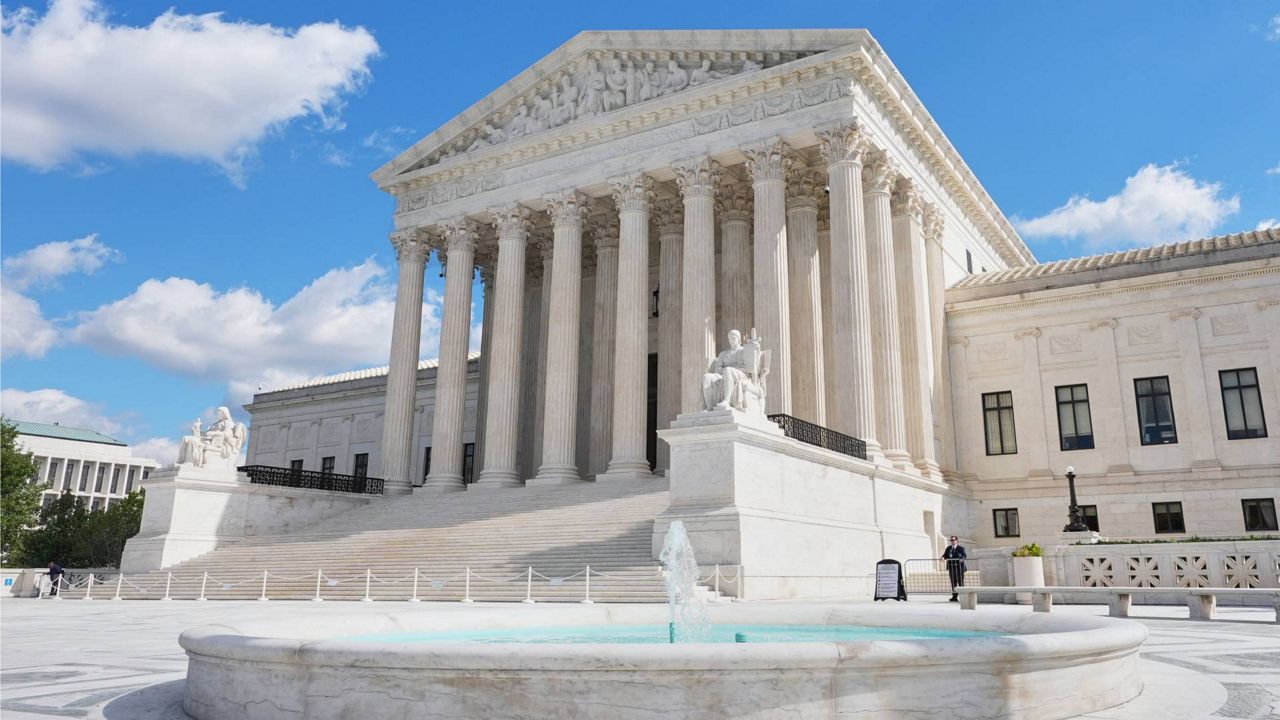
WASHINGTON — The U.S. Supreme Court on Tuesday denied an emergency application to restore a Biden-era regulation that let immigration judges set aside some removal cases. The applicants were Baltimore, Columbus, Ohio, and New Haven, Conn., along with the legal-aid group Centro Legal de la Raza. Texas sued after the rule was adopted, and the Trump administration agreed to an order blocking it. The cities and the group then tried to join the case to defend the rule, but the judge refused to let them intervene. Represented by Democracy Forward, they argued that Texas and the federal government used a friendly lawsuit to bypass public rulemaking. The justices gave no reasons. The order is not a ruling on whether the settlement was lawful, and the appeal over the applicants' right to intervene continues.

Why it mattersThe case raises whether an administration can undo a predecessor's regulation by agreeing to lose a lawsuit, instead of going through notice-and-comment repeal.

Tennessee Supreme Court keeps ban on nonlawyer law-firm ownership, eases ABA tie
Holland & Knight client alert

Tennessee Supreme Court keeps ban on nonlawyer law-firm ownership, eases ABA tie

Order also sets up three task forces as DOJ presses the ABA over law-school accreditation

NASHVILLE — In an Oct. 2 order in In re: Regulatory Reforms to Increase Access to Quality Legal Representation (No. ADM2025-01403), the Tennessee Supreme Court declined to loosen its restrictions on nonlawyer ownership of law firms and fee-sharing with nonlawyers. The court said it saw insufficient need or support for the change but may revisit the question as data develops. Law firms seeking outside capital therefore remain limited to management-services-organization structures, according to Holland & Knight. The same order widens who may accredit law schools for bar admission, so the ABA is no longer the only option, and it creates three task forces on alternative licensure, interstate mobility and limited-licence paraprofessionals. Separately, the Justice Department's Oct. 7 letter threatens an antitrust probe of the ABA's accreditation council over limits on adjunct teaching. The council meets Nov. 13, and the Education Department is expected to rule on its federal recognition by year's end.

Why it mattersThe order shapes who can own, fund and enter the Tennessee legal profession, including personal-injury practices that investors have targeted.

FCC's narrower TCPA opt-out rules published, take effect Nov. 25
Consumer Financial Services Law Monitor (Ballard Spahr)

FCC's narrower TCPA opt-out rules published, take effect Nov. 25

Callers may limit 'stop' requests to one category of informational message and designate one opt-out method

WASHINGTON — The Federal Communications Commission's revised consent-revocation rules under the Telephone Consumer Protection Act were published in the Federal Register on Oct. 26 and take effect Nov. 25, 2026. The commission adopted the order 3-0 on Sept. 30. It replaces the Jan. 31, 2027 compliance date that applied to parts of the 2024 'revoke all' rule. Under the new rules, a callers may treat a revocation of consent as covering only the category of informational call or text it targeted. A caller may also designate one exclusive opt-out method: a key-press option, a reply to a text, or a website or phone line. Revocations of marketing consent still apply to all marketing messages. A companion further notice leaves open shorter deadlines for honoring opt-outs, mandatory two-way texting and a one-step revoke-all option. Those proposals are open to comment.

Why it mattersThe rules change compliance and litigation exposure for callers, lead-generation firms and plaintiffs' lawyers handling revocation claims.