Memphis WeatherClear. High 79°, low 49°.
Chance of rain 0%.

Dalton Daily

Sourced widely. Told plainly.
Vol. I · No. 5Morning edition
daltondaily.com
Markets · loading

Law & Courts

Law

Supreme Court keeps order shielding federal inmates' transgender care
Wikipedia

UPDATESupreme Court keeps order shielding federal inmates' transgender care

Justices deny the administration's emergency request in Kingdom v. Trump; Thomas and Alito would have granted it

WASHINGTON — The U.S. Supreme Court on Wednesday refused to let the Trump administration end hormone therapy and related care for transgender federal prisoners while litigation continues. The unsigned order denied the Solicitor General's stay application and gave no reasons. Justices Clarence Thomas and Samuel Alito noted they would have granted it. The ruling leaves in place an injunction from U.S. District Judge Royce Lamberth, which the D.C. Circuit had earlier declined to pause. The challengers, represented by the ACLU in Kingdom v. Trump, say the Bureau of Prisons policy violates the Eighth Amendment's ban on cruel and unusual punishment. The ACLU estimates about 1,000 inmates in that case carry a gender dysphoria diagnosis, roughly 800 of whom have been prescribed hormones. The merits fight continues in the lower courts.

Why it mattersThe order is a rare interim-docket setback for the administration and shows the Court will not automatically side with it on emergency requests.
Chancellor again halts state takeover of Memphis-Shelby County Schools
FOX13 Memphis: MSCS Oversight Board chair confirms judge's pause

Chancellor again halts state takeover of Memphis-Shelby County Schools

Shelby County Chancery ruling came four days after a federal judge cleared the oversight board to start work

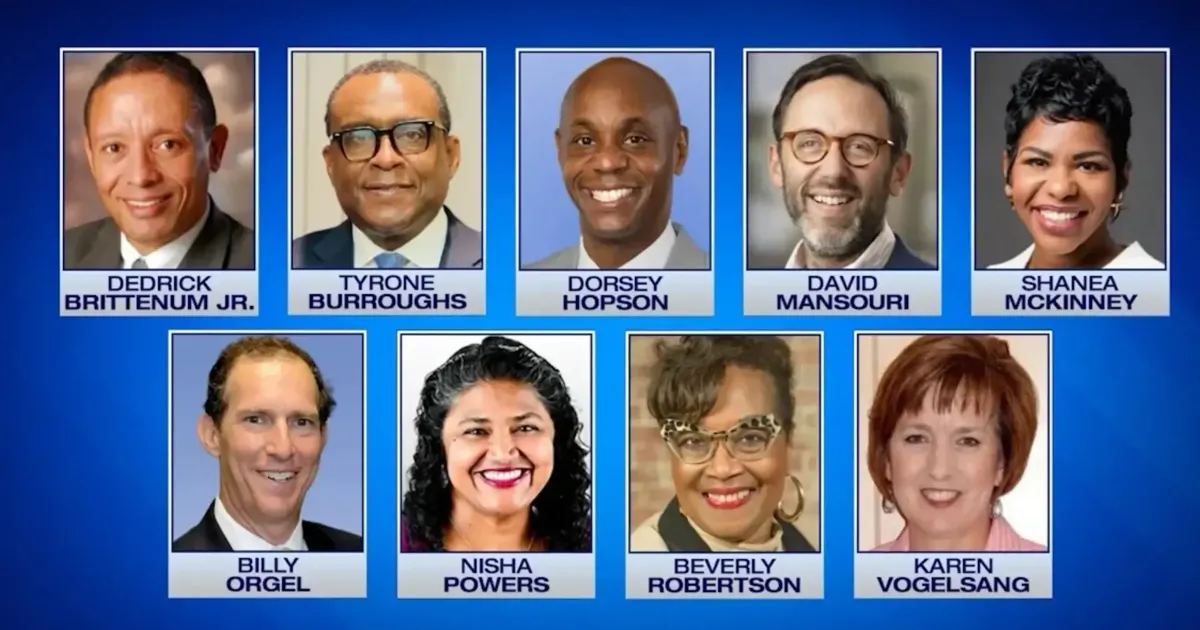
MEMPHIS — Shelby County Chancellor JoeDae Jenkins on Monday temporarily blocked Tennessee's takeover of Memphis-Shelby County Schools, minutes before the state-appointed oversight board was due to meet. The order returns control to the elected school board. On Oct. 15, U.S. District Judge Waverly Crenshaw had dissolved the temporary block he imposed in June, after board chair Billy Orgel told the court the board was ready to operate. The new state-court case was filed Oct. 7 by the county, the district and others, and challenges the takeover law under the Tennessee Constitution. The federal suit, which has an amended complaint alleging the district is singled out on the basis of race, remains pending. The Chancery order does not settle either case.

Why it mattersTwo courts are pulling in opposite directions over who runs the state's largest district, with a budget, contracts and superintendent hiring at stake.

Tennessee panel dismisses state-constitution challenge to school scholarship program
WSMV: Tennessee school choice program survives constitutional challenge in court

Tennessee panel dismisses state-constitution challenge to school scholarship program

Young v. Lee: two of three judges reject both claims against Education Freedom Scholarships

NASHVILLE — A three-judge panel has dismissed Young v. Lee, a suit by parent and taxpayer plaintiffs against Gov. Bill Lee and other state officials over Tennessee's Education Freedom Scholarship program, according to a release from EdChoice Legal Advocates. The court held that the Tennessee Constitution does not bar funding private education. It also said a complaint about inadequate public-school funding must target the laws that fund public schools, not the scholarship program. A two-judge majority rejected both claims. One judge dissented on the public-school funding claim, saying it should proceed. The panel's ruling also acknowledged teacher and supply shortages and shortcomings in the state's TISA funding formula, though it said those problems predate the scholarships. The plaintiffs could appeal; the order does not say whether they will.

Why it mattersThe ruling removes a state-constitutional obstacle to the voucher-style program for now, while the court's findings on school funding give critics material for a separate challenge.

Courts keep splitting on whether texts are 'calls' under TCPA do-not-call suits
Darwich Legal: Are Texts Calls Under the TCPA's Do Not Call Provision? A Map of the Federal Courts

Courts keep splitting on whether texts are 'calls' under TCPA do-not-call suits

Seventh Circuit's Steidinger ruling is followed in Colorado and Virginia; a California court goes the other way

CHICAGO — The Seventh Circuit held in Steidinger v. Blackstone Medical Services (July 14) that unwanted texts are not 'telephone calls' under the TCPA's private do-not-call right of action, Section 227(c)(5). A tracker of rulings shows it was still the only appellate decision on that question as of Oct. 8. District courts have since divided. The District of Colorado dismissed Brown v. Hursh Group with prejudice on Sept. 28. The Western District of Virginia followed Steidinger in Lowrey v. Twilio on Oct. 1. The Central District of California, in Combs v. UG Franchise Operations on Oct. 2, held that texts are calls. The Ninth Circuit's Howard v. RNC treats texts as calls under Section 227(b), which Steidinger did not reach. Autodialer and prerecorded-voice claims under 227(b) are unaffected.

Why it mattersFor lead-generation and text-marketing businesses, exposure to do-not-call class actions now depends heavily on the federal circuit where suit is filed, and the split may reach the Supreme Court.